


Corporate Transparency Act: Sweeping federal law requires community compliance
Community associations must take seriously new mandatory filing requirements under the Corporate Transparency Act, legal experts advise. Existing community associations must comply with the law’s reporting requirements by Jan. 1, 2025. New community associations have 30 days after incorporation to file. Information also must be updated following changes in governance such as the election of directors.

Global collaboration, local impact: CAI welcomes first international president, 2024 leaders
Jeevan J. D’Mello, CMCA, AMS, LSM, PCAM, chief executive of Zenesis Corp., in Dubai, United Arab Emirates, began his term as president of the CAI Board of Trustees earlier this year, ushering in a new era of global collaboration and local impact in the organization’s more than 50-year history.

Happy homeowners: Speak up before laws are reformed
Happy homeowners need to speak up about their community association experiences, particularly when legislative updates are being considered. We have a voice that matters in the process. Learn how to use it.

New communities: Condominiums, homeowners associations to see continued growth in 2024
Since the 1970s, community associations have been a popular housing choice for people around the world—and the number of new condominium communities and homeowners associations is expected to increase by more than 3,000 in 2024, according to projections by the Foundation for Community Association Research, an affiliate organization of Community Associations Institute (CAI).

Year in review: The top 5 most read Ungated blog posts in 2023
This year, the Ungated blog published 50 posts—a fitting number for celebrating CAI’s 50th anniversary. Revisit the top five most read posts in 2023, and look for more content relevant to community association leaders and residents in the new year.
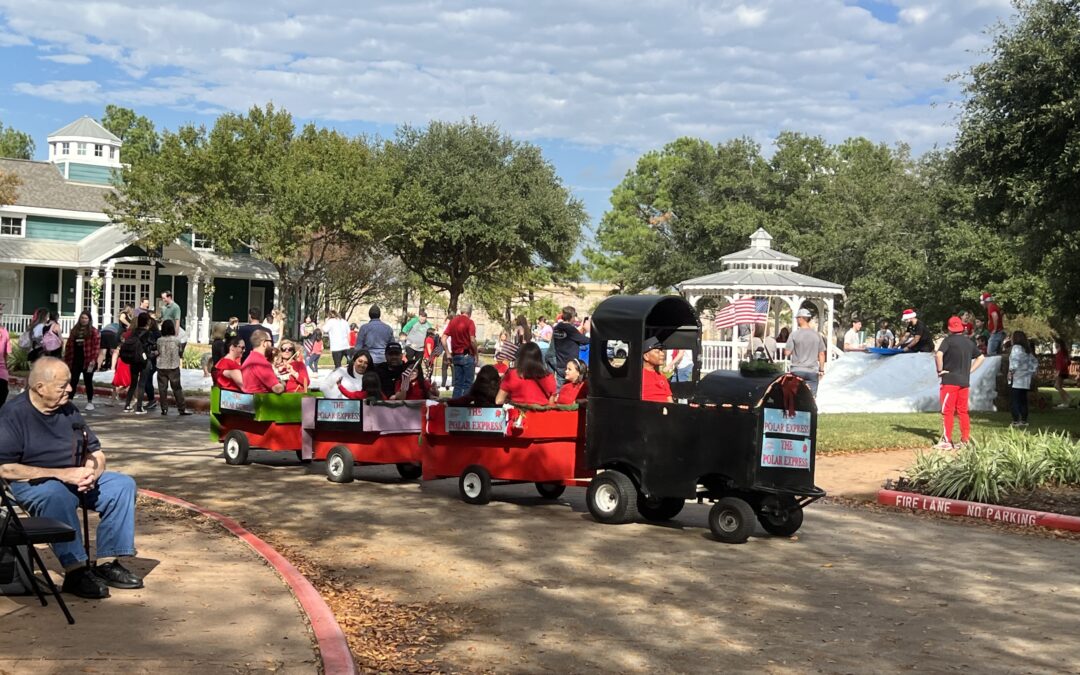
Let it snow: Texas community creates winter wonderland
While nestled in the heart of Spring, Texas, where snowfall is a rare sight, the Windrose Community Association has found a creative way to bring the joy of winter to its residents. Each year, usually during the holiday season, Windrose transforms a designated area into a Texas winter wonderland by creating a snowy hill that children can enjoy. This heartwarming tradition not only brings joy to the children, but also strengthens the sense of community within Windrose.

Rocky Mountain excellence: Colorado community, its manager earn recognition
The Highlands Ranch Community Association, a master planned community of more than 32,000 homes and 2,000 commercial venues in the Denver suburbs, prides itself on governance and service for its more than 100,000 residents. That dedication recently earned the community the CAI Rocky Mountain Chapter association of the year award.

Lending transparency: Freddie Mac improves access to information
Freddie Mac took a giant step toward transparency last week when it announced sweeping changes to its condominium and housing cooperative financing system. The government-sponsored enterprise that underwrites mortgages is introducing a tool that indicates whether a community is “certified” for financing or “not eligible”—and providing guidance that explains why a community may not be eligible.

Aging in place: Developing policies to protect older adults
It’s natural for community association board members and managers to be concerned for older residents who start displaying signs of failing health, confusion, hoarding, and other erratic behaviors. Balancing the well-being of the community and that of an individual resident can be very challenging. Here’s how to develop policies that protect your residents and community.

The golden years: How to help residents gracefully age in place
The baby boomer generation comprises an estimated 74.1 million Americans born between 1946 and 1964. Learn how a little compassion, ingenuity, and knowledge, can help older adults in your community age in place—comfortably and securely for as long as possible.
