
Contributed by Zoe Lewczak
We plan for college, careers, and even retirement, but what about the growing responsibility of caring for elders? With their inherent structure of shared governance and communal living, community associations may be uniquely positioned to transform aging in place from a lonely struggle into a supported, collective experience.
Associations can support older adults while building community spirit and resilience. Beyond physical updates, associations could invest in social infrastructure to make aging in place truly sustainable. Shifting toward clear, human-scale communication and building simple, volunteer-based check-in or support networks can help bridge generational gaps and reduce social isolation. Communities can develop a culture of mutual care to ensure people can safely and comfortably stay in the homes they love.
“Aging in place safely gives people dignity, pride, and independence. Simple acts of kindness really do go a long way,” says Lisa LeClere, executive director of CAI’s North Gulf Coast Chapter. “Community isn’t always about grand gestures. Sometimes it’s just noticing when someone could use a hand and quietly showing up for them.”
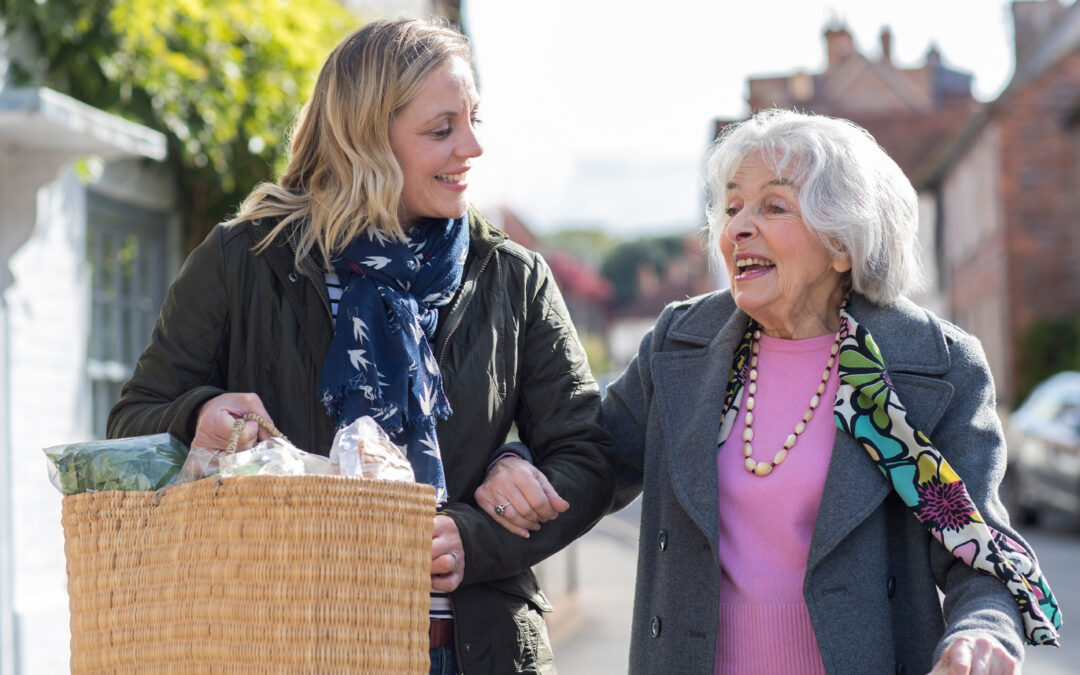
As diverse demographic shifts and the rise of multigenerational households redefine our needs, housing models must evolve or risk becoming obsolete. For many older adults, the difference between independence and isolation lies in informal social support like helping a neighbor with groceries or a ride to the clinic.
I began studying these issues as part of the Foundation for Community Association Research’s Byron Hanke Fellowship in 2024–2025. My report, The Future of Aging in Place, revealed a disconnect: The desire for community exists, but the infrastructure does not. While 64% of residents intend to age in place and over 80% crave more social engagement, a staggering 90% of communities offer zero resources for caregiving or short-term relief. We have the social capital, such as the willingness of neighborly connections to help each other, but we lack formal systems to bridge this service gap.
By introducing optional, add-on service packages through association fees, we can turn good intentions into reliable support. Members could choose to opt in to formal caregiving, meal delivery, mobility assistance, shared rides, or organized social activities that turn isolated acts of kindness into a structured network that benefits everyone.
Moving toward a new approach means confronting the social, financial, and liability fears that stifle innovation. By integrating smart technology with both formal and informal caregiver support into existing governance frameworks, we move the needle from a reactive housing model to a sustainable, community-based model of care.
It starts with a genuine change in attitude. We must talk openly about aging and caregiving before the crisis hits, and that means bringing younger neighbors into the conversation today. When we transform community associations into real support networks, we aren’t just fixing housing rules. We’re building a neighborhood where everyone can age in place with dignity.
Zoe Lewczak was the Foundation of Community Association Research’s 2024–25 Hanke Fellow. She is a graduate student studying bioethics at Harvard Medical School in Cambridge, Mass.
>>Learn more about Lewczak’s research on aging in community associations in “A Place for Every Age” from Common Ground magazine.

