
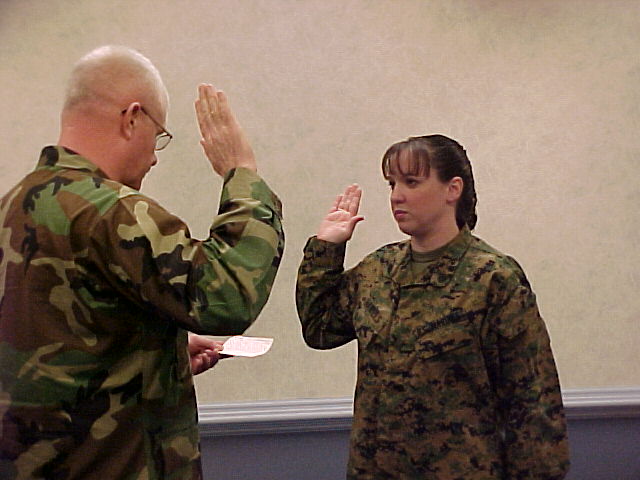
For many military veterans, service doesn’t end when they hang up their uniform. The mission simply changes. Across the community association industry, veterans are bringing the same commitment to leadership and service that defined their military careers to the communities they now help manage, govern, and support. They continue to strengthen the places people call home as managers, board members, and industry professionals.
In recognition of Veterans Day on Nov. 11, several CAI members reflected on how their military service informs and bolsters their work in community associations. Important lessons in discipline, resilience, problem-solving, and collaboration continue to shape their work today. Their stories reveal a common purpose: building vibrant neighborhoods through service, leadership, and a powerful commitment to community.
Mission focused
“Veterans and active-duty service members are uniquely suited for the community association industry because they understand what it means to put the needs of the group ahead of their own,” says Heidi Daniels, CMCA, AMS, LSM, PCAM, the executive director of the Green Run Homes Association in Virginia Beach, Va. “Military service teaches you success comes from working together toward a common mission and that mindset translates perfectly into serving a community.” Daniels served in the Marine Corps for 16 years.
Clear communication
Attorney Scott Weiss knows what you say matters. “Serving in the military taught me humility, leadership, and how to communicate with people from all backgrounds,” says Weiss with Kaman & Cusimano in Brentwood, Tenn. “Although the mission is very different now, clear communication skills are essential to my success as a community association attorney.” A fellow in CAI’s College of Community Association Lawyers, Weiss also served in the Marine Corps and the Army National Guard.
Leadership
John Dienes, treasurer of the Vista Hermosa Homeowners Association in Bremerton, Wash., is a 28-year veteran of the U.S. Navy. Throughout his multifaceted career and service on three community association boards, he’s learned a few important things about governance and leadership. Humility, transparency, the ability to compromise, listening to others, and treating them with dignity and respect are among the skills Dienes perfected in the military and beyond.
“Be eager to learn and continuously improve yourself for the benefit of the greater good,” he says. “Know that fiduciary responsibilities expand beyond just prudent financial oversight.”
Respect
Success in the military and community management is more than technical aptitude. Building and maintaining respectful relationships also are essential skills veterans develop during their service that translate well to a career in community associations.
“People are what make an organization,” says Diane Teeter, CMCA, AMS, a manager with Keystone Pacific Property Management in Carlsbad, Calif., who served in the U.S. Navy domestically and abroad for 20 years. “Treating everyone equally makes things run smoothly. They know their input is valuable. Homeowners constantly let me know what is going on at their community.”
Foundational skills
Veterans’ mix of technical knowledge and personal values is an asset. For Mike Packard, PCAM, his military training gave him foundational skills he’s proud of and relied on during his service around the globe and work in community management
“Throughout my career, I’ve remembered how important it is to articulate kudos to deserving employees,” says Packard, a CAI past president who is with Associa in Carlsbad, Calif., who served in the U.S. Air Force. “I also learned the importance of discipline, including education and on-the-job training, and solid communication skills.”
He adds, “People with a military background often have all these skills and are great candidates for the community management profession.”
>>Military veterans and those with experience in real estate, public administration, hospitality, communications, and more have found fulfilling careers as community association managers and business partners. Learn more about a career in community associations.
Photo caption: Heidi Daniels joined the U.S. Marine Corps immediately after graduating from high school. She served for 16 years.

